
Industrial operations
4 min read
Why Dashboards Don’t Fix Factories
factories improve when insight is connected to ownership, tasking, and execution
Read full article →Decision-grade articles for operations leaders modernizing how plants run.
factories improve when insight is connected to ownership, tasking, and execution
Read full article →
a plant operating system is useful when it becomes the unified layer that connects data, decisions, tasking, and cross-functional execution
Read full article →
MES still matters, but plants now need a wider operating layer that closes execution gaps across functions
Read full article →
operational performance improves when the system closes the loop from signal to task to action instead of stopping at analysis
Read full article →
plants stop relying on spreadsheets when one operating layer becomes easier and more useful than manual workarounds
Read full article →
AI-native operations should mean AI working inside the operating loop of the plant and not sitting on top as a cosmetic feature layer
Read full article →
operational unification can start by creating one shared operating layer above existing systems instead of replacing everything at once
Read full article →
KPI alignment improves when the plant shares one operational truth, not just one dashboard view
Read full article →
the real cost of silos is not just software inefficiency, but slower and weaker execution across the plant
Read full article →
industrial AI becomes more useful when human approval is built into the workflow, creating faster action without losing judgment or accountability
Read full article →
a strong KPI system is not a dashboard project first. It is an operating logic that connects live truth, ownership, and response
Read full article →
plants need a broader operating view that includes response, flow, ownership, and follow-through instead of treating OEE as the whole truth
Read full article →
data improves maintenance only when it changes routing, prioritization, and response inside daily execution
Read full article →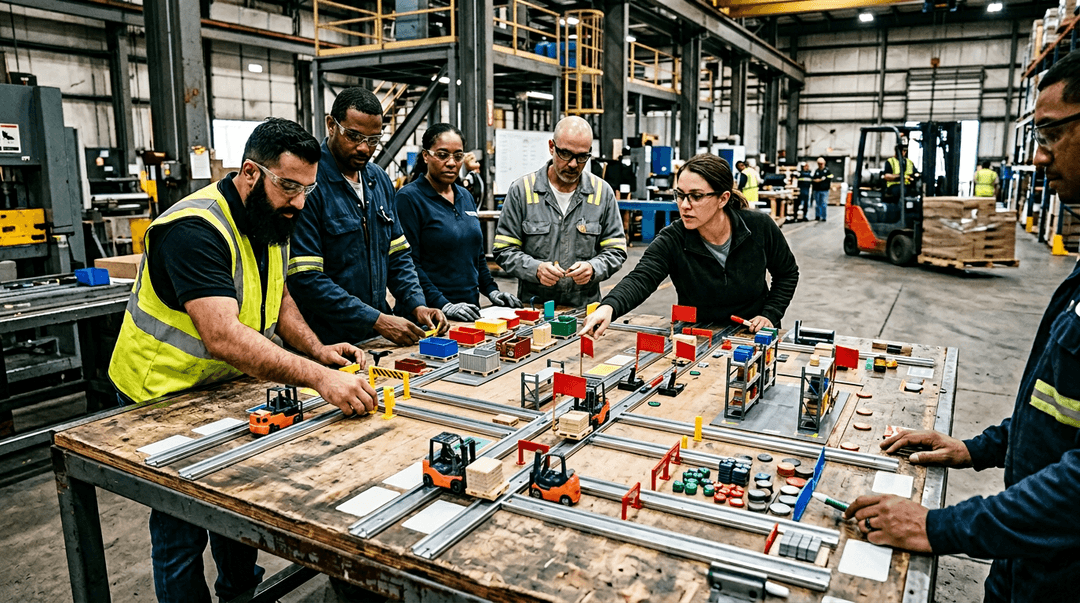
real-time data improves warehouse performance only when it helps the plant detect shortage risk earlier, route the next move faster, and close material-flo…
Read full article →
planning becomes more useful only when the plant can continuously compare plan to reality and route decisions fast enough to respond
Read full article →
factories do not need one giant replacement project to work more coherently; they need one shared operating layer for truth, context, ownership, and execut…
Read full article →
modern plants need systems that do more than report; they need systems that interpret reality, route ownership, and help decisions turn into execution
Read full article →
production control becomes more durable when the plant moves from person-dependent chasing to one execution model built on shared truth, routed ownership, …
Read full article →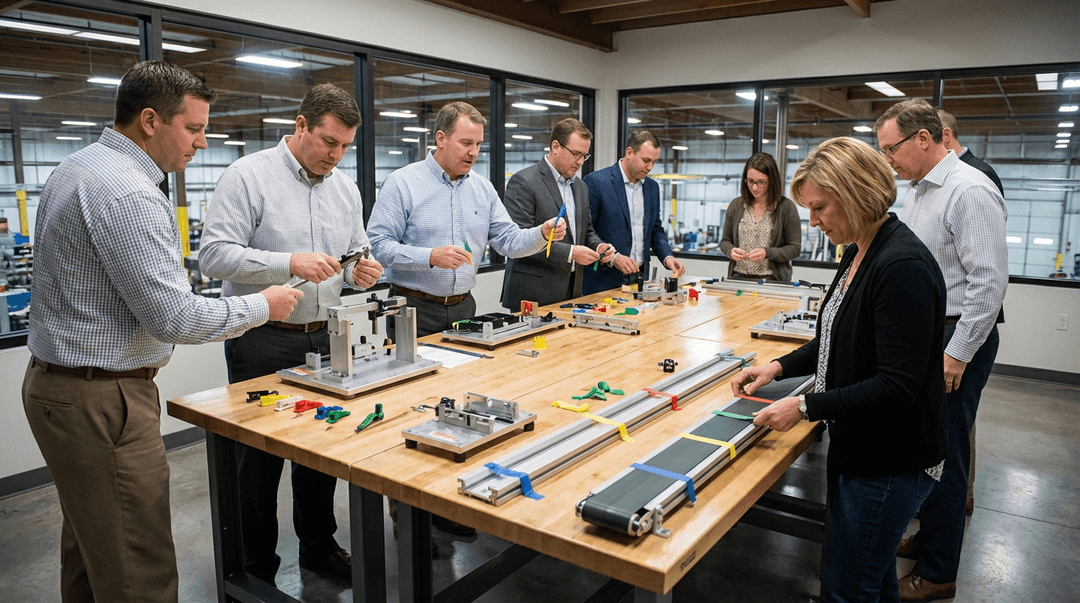
buyers should evaluate a plant operating system by its ability to unify truth, route action, and close loops across real factory workflows
Read full article →
AI becomes operationally useful only when it works inside one execution layer that connects truth, ownership, and follow-through across the plant
Read full article →
a concrete picture of the operating shifts that appear only when AI is connected to one execution layer, not parked in isolated analytics tools
Read full article →
a practical boundary map of what an AI agent can reliably support now, what still belongs to humans, and what requires a unified execution layer to work at…
Read full article →
a practical sequencing model for the first operational shifts: visibility discipline, ownership clarity, workflow standardization, then AI assistance on to…
Read full article →
a precise split between myth-grade autonomy claims and realistic autonomy patterns that still require governance, approvals, and human ownership
Read full article →
an eight-step path from baseline discipline to measured AI assistance inside one operational workflow, with explicit gates and proof criteria
Read full article →
a clear decision-rights framework using risk class, reversibility, and regulatory exposure, plus how to implement it as approval thresholds in workflows
Read full article →
a clear argument for stabilizing one decision layer for prioritization, conflict resolution, and execution routing before expanding model count
Read full article →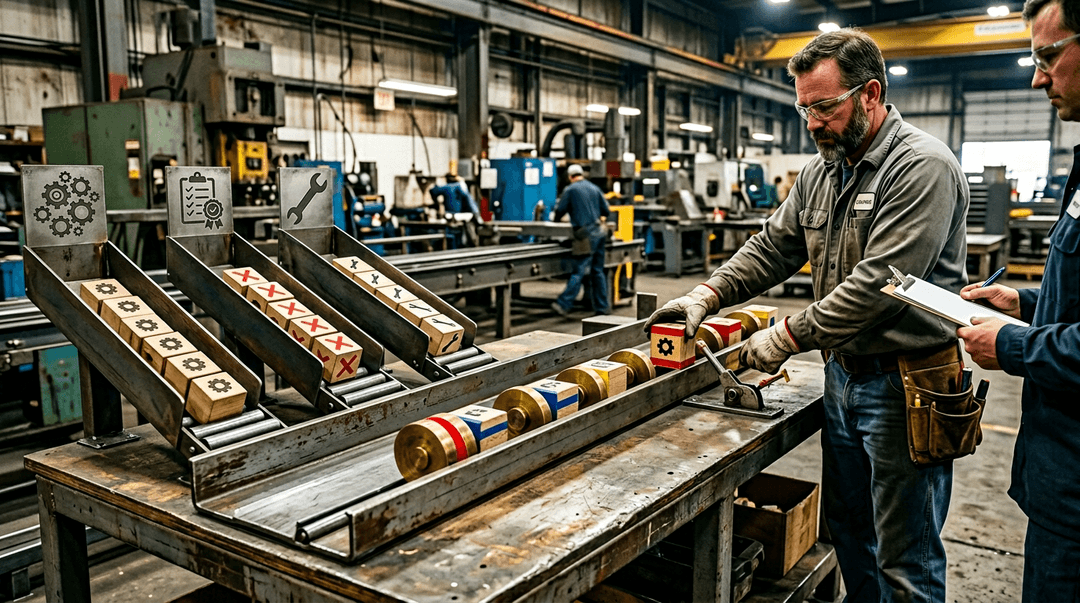
a practical method to combine signals, apply a transparent rubric, and route prioritized work with human confirmation at defined thresholds
Read full article →
a leader checklist for trustworthy industrial AI: grounded outputs, explicit limits, audit trails, human gates, and proof tied to cycle metrics
Read full article →
a rollout pattern that runs alongside production: shadow mode, narrow workflow scope, shift-based training, fallback procedures, and explicit change window…
Read full article →
a plain split of roles, handoffs, and ownership so twin outputs become actionable tasks, thresholds, and follow-through instead of slide decks
Read full article →
a blunt checklist of what counts as operational data for factory AI, and why missing pieces turn assistants into expensive summarizers
Read full article →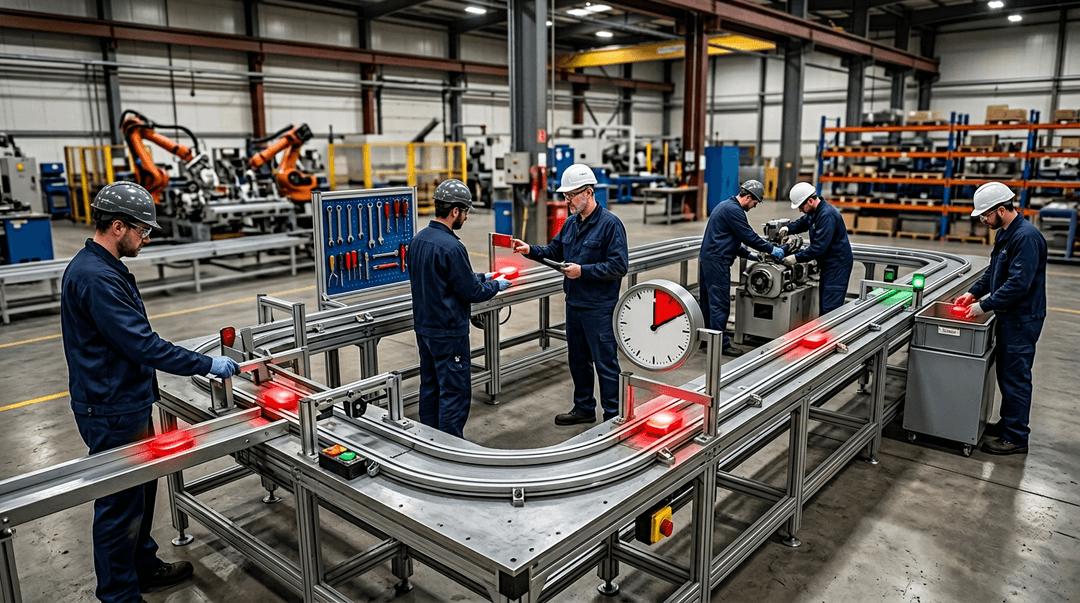
a concrete picture of the response loop AI can accelerate, plus where AI adds nothing without tasking and thresholds
Read full article →
a sober definition of decision automation, what should remain human, and how to spot theater versus operational change
Read full article →
a role-based map of early changes focused on coordination, verification, and closure work, not generic "AI replaces operators" claims
Read full article →
a three-mode framework (watch, advise, act) mapped to signals, reversibility, and approval paths, separate from generic autonomy debates
Read full article →
a practical governance grid: ownership, change control, shift handoffs, and exception paths that make AI rules operable 24/7
Read full article →
a scale playbook with expansion caps, control tests, and kill criteria so growth preserves response discipline and auditability
Read full article →
a policy skeleton you can publish: scope, thresholds, evidence, escalation, records, and training tied to workflows, not model names
Read full article →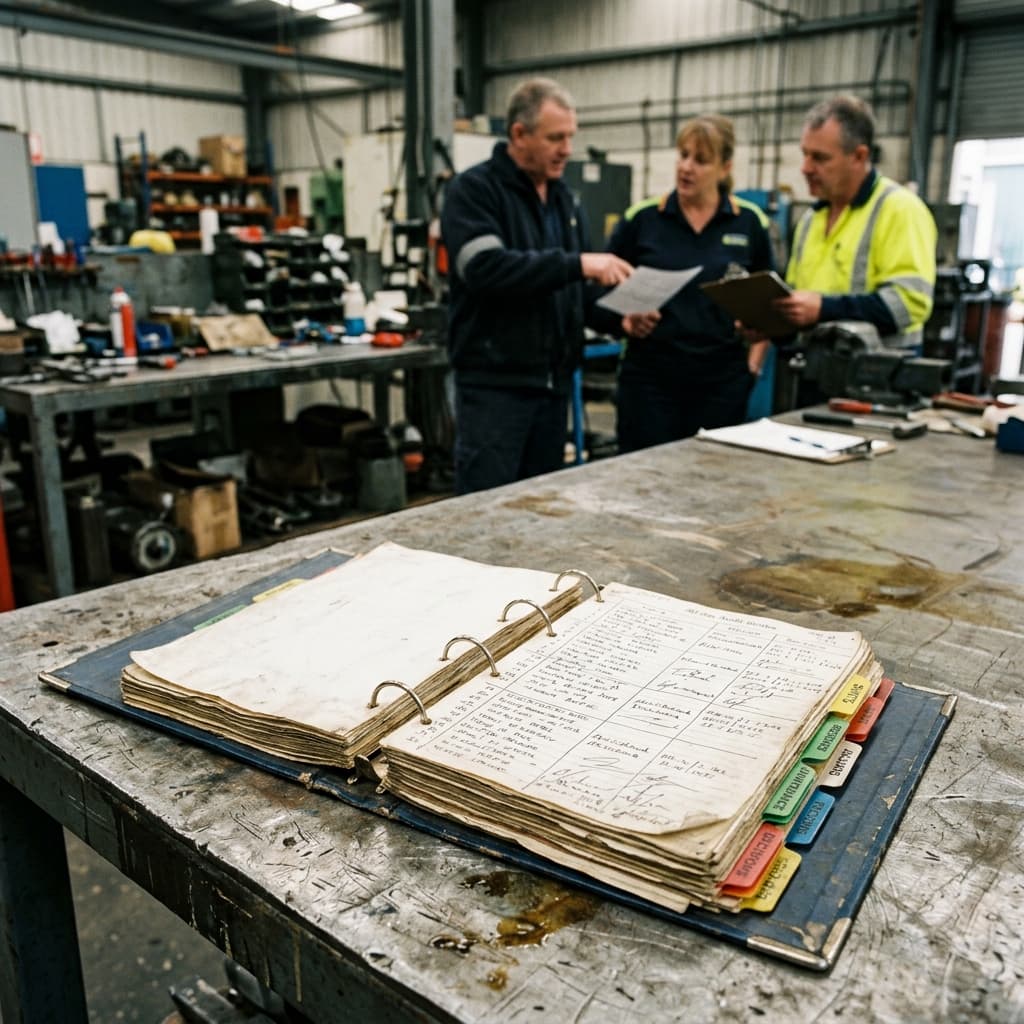
a review agenda with required evidence, four explicit decisions, and a thirty-day action list tied to owners
Read full article →
a compact exception model with typed paths, thresholds, approvals, and audit fields that supervisors can run under load
Read full article →
clear criteria for appointing a single arbiter role, decision rights, time limits, and how the arbiter records overrides without breaking follow-through
Read full article →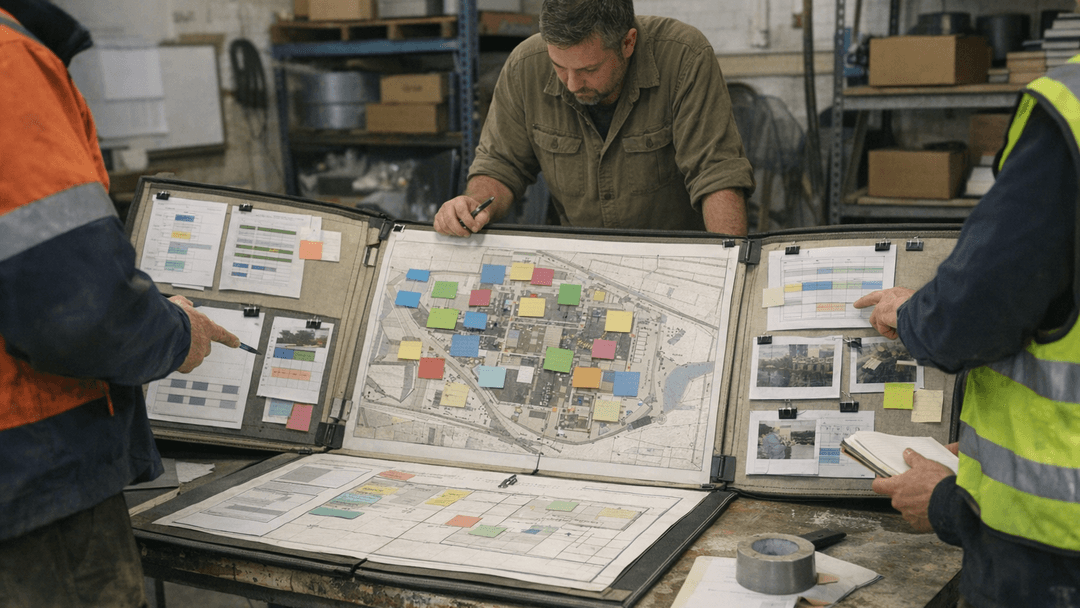
a playbook with global non-negotiables, local adaptation zones, evidence standards, and a quarterly sync rhythm that preserves follow-through
Read full article →
a short scorecard that ties AI assistance to response, throughput protection, audit readiness, and human follow-through, while filtering vanity metrics
Read full article →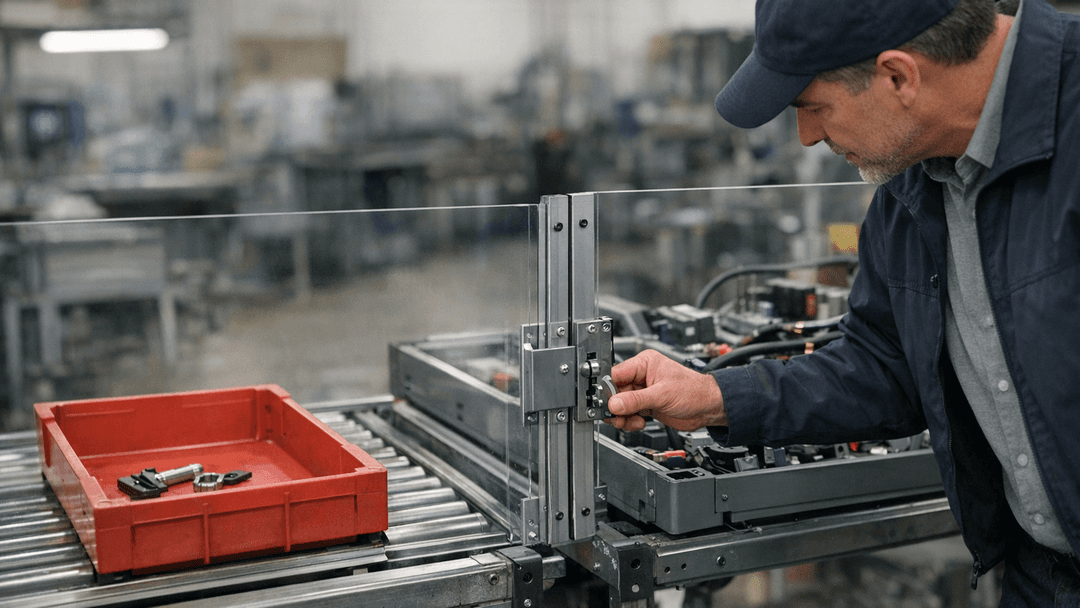
a decision grid based on data maturity, SLA risk, change-control load, and audit needs so scope moves in controlled steps
Read full article →
a minimum record schema, retention rules, and review cadence that holds up under scrutiny without paralyzing operators
Read full article →
a practical ownership map for source systems, curated operational definitions, assistance outputs, and audit trails with explicit RACI
Read full article →
a decision matrix on contracts, data handling, latency, ownership, and closure hooks so vendor tools strengthen execution instead of fragmenting it
Read full article →
named accountability per shift slice for claims, approvals, overrides, and closures with simple language operators can repeat
Read full article →
a closure definition that spans production, warehouse, quality, maintenance, and tasking with measurable gates and a single execution record
Read full article →