How to Build a Cross-Site Playbook for AI-Assisted Factory Operations
3 min read

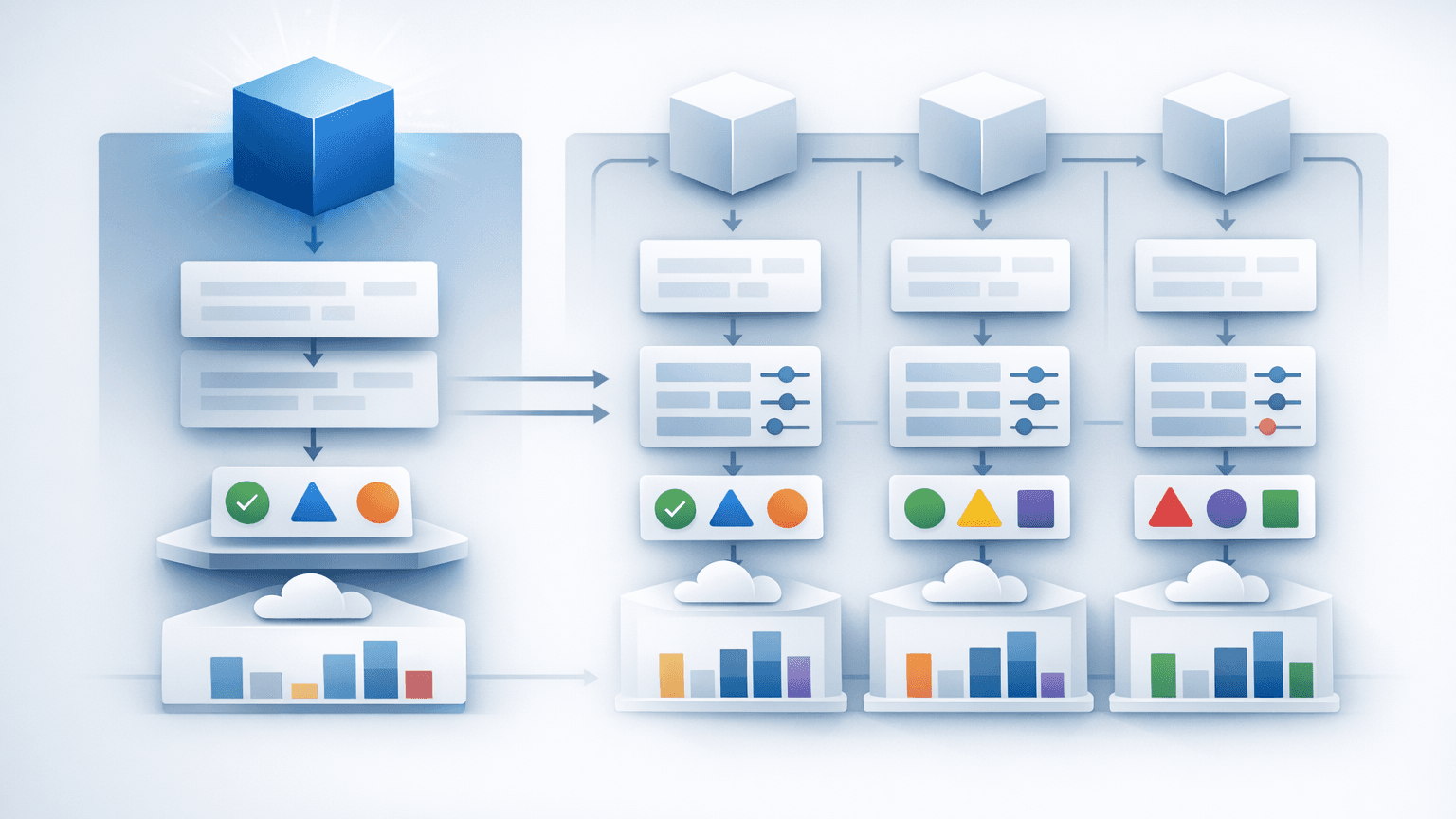
Scale across sites is not copy-paste. It is controlled variation with shared proof. Build a cross-site playbook by separating what must be identical—safety rules, audit fields, approval classes, shared KPI definitions—from what may differ with transparency, such as line topology, staffing, supplier mix, and threshold numbers tuned to maturity. Publish one workflow template, one evidence pack for reviews, and one escalation map. Run monthly readouts on closure metrics, not model accuracy. If two sites cannot explain the same KPI without a meeting, the playbook is still a slide deck.
Global non-negotiables should read like quality clauses: minimum audit fields for assisted tasks and overrides, approval classes that cannot be bypassed locally, incident linkage rules when assistance touched routing, training gates before act modes, and a shared definition of “closed.” Local adaptation zones must be documented and versioned: who owns a tune, effective dates, rollback notes. Opacity turns multi-site programs into uncomparable stories.
A practical playbook includes scope for in-family workflows, mode policy with promotion criteria, exception taxonomy and escalation ladders, required shift handoff fields, review calendars at thirty, ninety, and one hundred eighty days, change control for threshold propagation, and boundaries for vendor tools feeding the execution layer.
Run a first workshop day that forces alignment: three KPIs with identical definitions, two pilot workflows traced with real signal IDs, shared override reason codes, named site sponsors and night deputies, one conflict resolution pattern with clocks, and a thirty-day compare using exports only.
Template rollouts optimize identical screens until sites hide reality. Playbook rollouts optimize identical proof until audits get easy. Templates feel fast until exceptions go underground. Playbooks feel heavy until leadership can compare closure honestly.
The playbook works when sites already share a disciplined operations review cadence, IT-OT can publish versioned rules, and regional leaders accept transparent threshold differences. It fails when corporate demands identical numbers without identical constraints, sites refuse common override codes, or vendor tools bypass the execution record.
IRIS supports a real multi-site playbook when sites share one execution model for behavior, closure, and evidence—even when local thresholds differ—so reviews compare discipline instead of debating definitions.
For scale, review, and vendor boundaries, see How to Scale AI Assistance Without Losing Operational Control, How to Review AI-Assisted Operations After the First 90 Days, and When Vendor AI Tools Should Feed the Execution Layer and When Not To.
A playbook also protects sites from corporate “metric envy.” When one plant runs hotter constraints, its closure times may look worse on a naive dashboard—unless the playbook forces explicit boundary documentation. Transparency beats false comparability. The goal is not identical performance numbers. The goal is comparable discipline: same record shape, same audit fields, same meaning of closed, even when thresholds differ for good reasons.
Regional leaders should treat the playbook as a negotiation instrument. It makes tradeoffs explicit: what is non-negotiable for customer and regulatory safety, what can flex by site maturity, and what must never flex without a versioned publish. That reduces the passive-aggressive drift where sites comply on paper and improvise in practice.
A cross-site playbook is a contract for evidence, not a mandate for sameness. Standardize what protects people, customers, and audits. Localize what reflects real constraints—with version discipline.
The operational bottom line
The promise of this article—a playbook with global non-negotiables, local adaptation zones, evidence standards, and a quarterly sync rhythm that preserves follow-through—becomes operational only when it changes how work moves: clearer ownership, faster first assignment, and closure you can trace without inbox archaeology. For “How to Build a Cross-Site Playbook for AI-Assisted Factory Operations,” treat that as the acceptance test: the next shift should be able to read what happened, what was approved, and what remains open—without relying on verbal reconstruction.
DBR77 IRIS gives multi-site programs one execution model for tasks, approvals, and reviews so comparisons use the same record shape. Start interactive demo or Start 14-day trial.