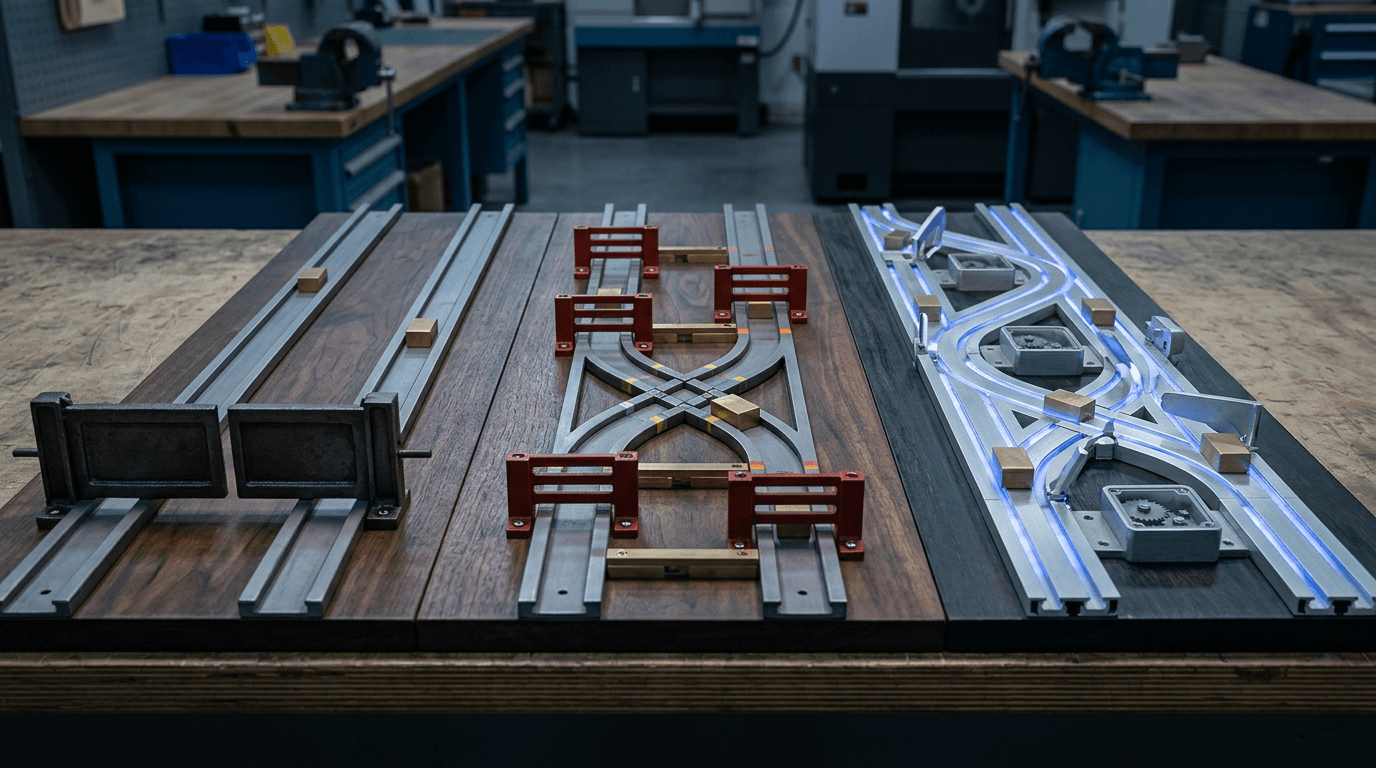
From Humans to AI-Assisted Operations: What Changes First
3 min read
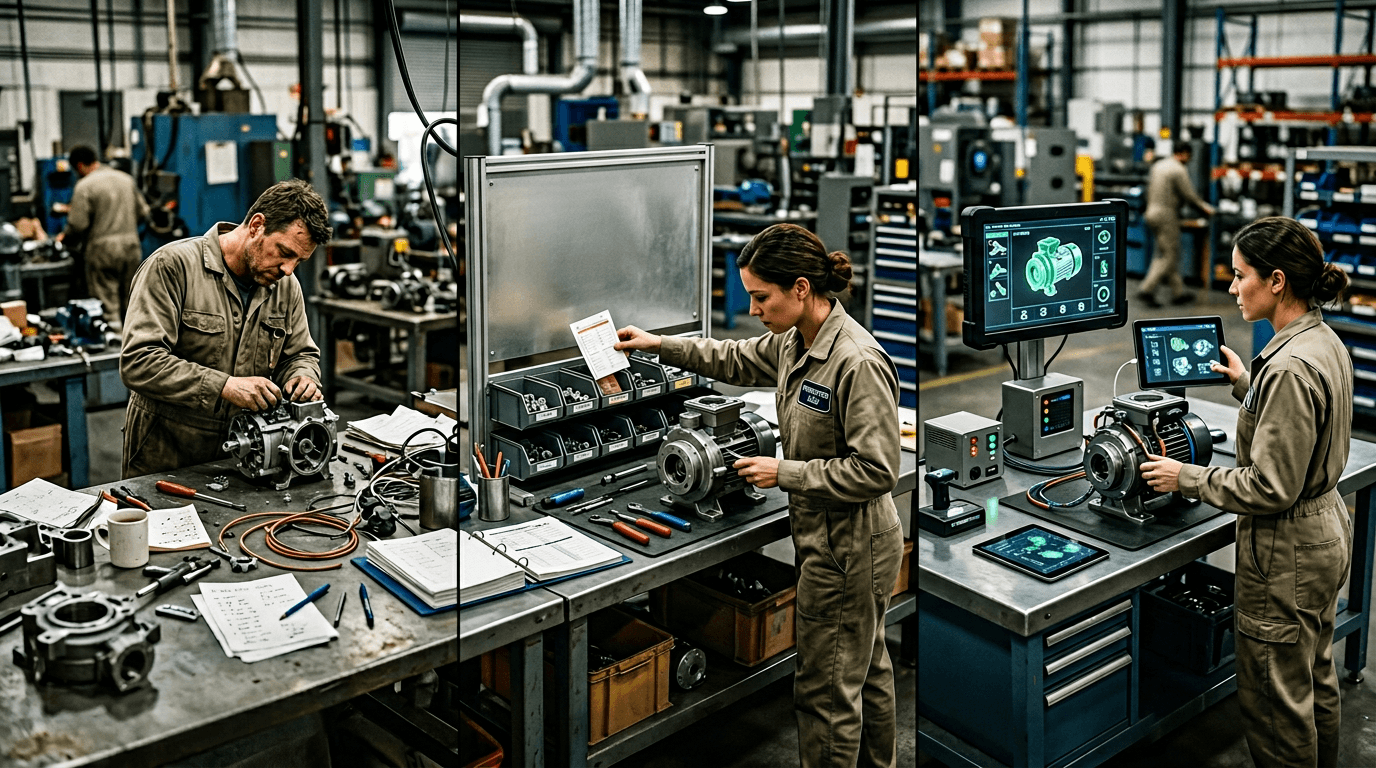
AI-assisted operations is not a single switch. It is a sequence—and if you change the sequence, you usually get frustration instead of throughput. The first change is rarely “the model.” The first change is how the plant records reality, assigns ownership, and enforces follow-through. Intelligence becomes stable only after those execution basics are visible and shared.
Start with the execution baseline. Tighten what counts as an event and what metadata is mandatory. Clarify default owners and escalation paths. Treat important work as tracked tasks with states, not as verbal requests. Align definitions across functions—because if two teams mean different things by “down,” “blocked,” or “critical,” assistance will amplify confusion rather than reduce it. These are human and process changes. They are also prerequisites.
Second, standardize the handoff, not only the dashboard. The deeper shift is structured movement between line and maintenance, quality and production, warehouse and scheduling. AI works better when handoffs have templates, required fields, expected timelines, and closure criteria—so assistance has a stable object to improve.
Third, introduce AI where work is already structured. A defensible early pattern is to pick a workflow that already hurts, ensure it is represented as tasks in one system story, add AI for triage, summarization, and routing suggestions inside that workflow, and measure cycle time and reopen rate—not “satisfaction” alone. That sequence is something you can explain to the shop floor without asking people to trust magic.
What usually should not change first: a broad chat assistant for everyone, autonomy promises disconnected from guardrails, or model benchmarking contests that ignore workflow maturity. Those may belong later. They rarely repair a broken execution loop on day one.
IRIS aligns with this sequencing because AI assistance stabilizes faster when tasks, ownership, and handoffs live in one execution layer—giving the plant a place to standardize the baseline before adding assistance on top.
For the build sequence after the baseline is clean, see How to Build AI-Assisted Factory Operations Step by Step. For rollout discipline on the floor, see How to Roll Out AI-Assisted Operations Without Disrupting the Plant.
30-day realism check: Can you export last month’s top issues with owners and closure times? Do managers agree on what “closed” means? Are approvals documented for sensitive actions? Is there one prioritized queue for the workflow? Can you run a retrospective without private inboxes? If this fails, AI assistance will float above the real plant.
What changes first in AI-assisted operations is execution discipline, not intelligence. Make the loop visible and owned. Then AI has something reliable to assist.
Treat sequencing as a leadership commitment, not a footnote: the floor should feel that basics stabilize before assistance accelerates.
The operational bottom line
The promise of this article—a practical sequencing model for the first operational shifts: visibility discipline, ownership clarity, workflow standardization, then AI assistance on top—becomes operational only when it changes how work moves: clearer ownership, faster first assignment, and closure you can trace without inbox archaeology. For “From Humans to AI-Assisted Operations: What Changes First,” treat that as the acceptance test: the next shift should be able to read what happened, what was approved, and what remains open—without relying on verbal reconstruction.
That standard is not about software perfection; it is about operational honesty: fewer mystery handoffs, fewer truths reconciled only in meetings, and more days where the system record matches what the floor would say if you stopped them mid-task.
Hold teams to a simple rule: if an improvement cannot be shown in exports from the execution record, it is not yet an operating improvement—only a narrative improvement. That rule keeps programs honest when demos look good but handovers still feel fragile.
DBR77 IRIS supports the right sequence by giving the plant one execution layer for tasks, ownership, approvals, and AI assistance across functions. Watch walkthrough or Start interactive demo.