The Rise of Decision Automation in Manufacturing
3 min read
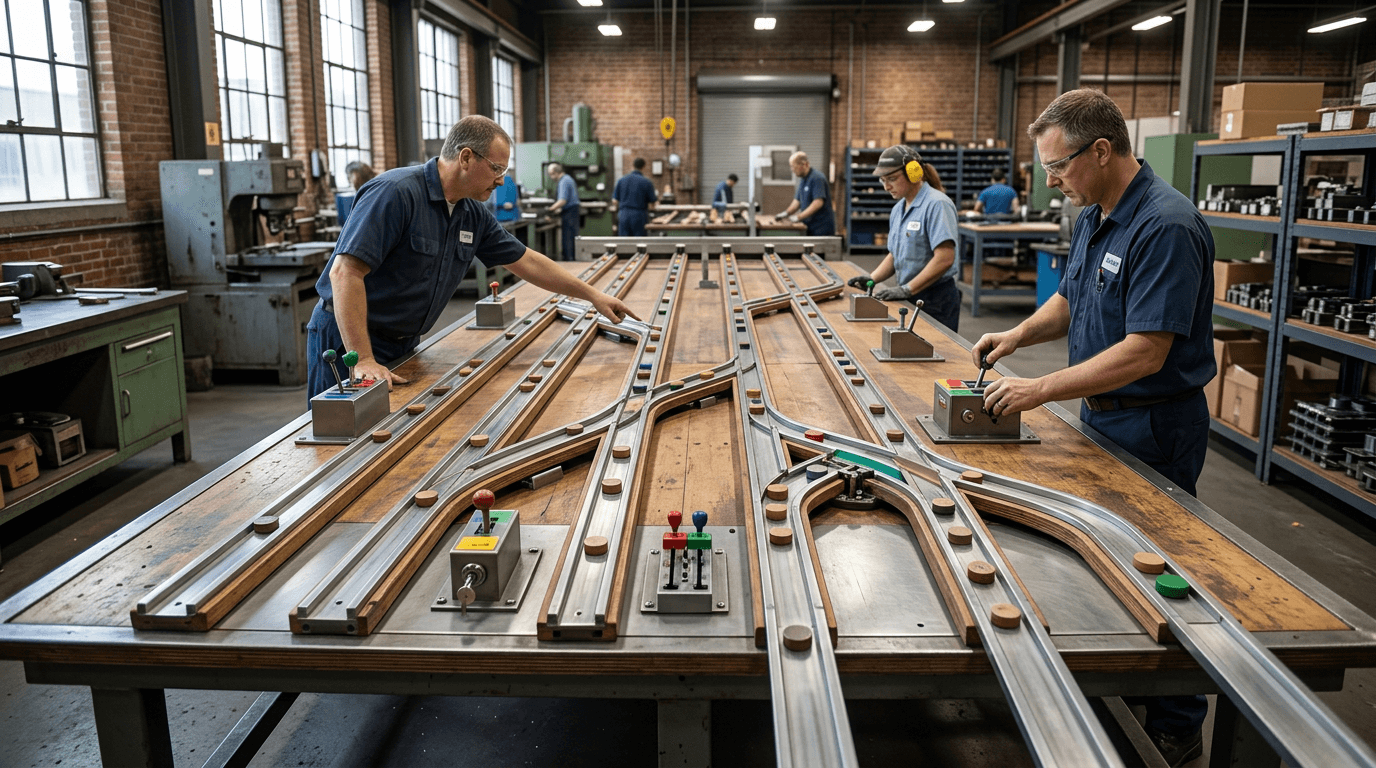
Decision automation in manufacturing means systems apply published rules to recurring operational choices: what to work next, who to notify, when to escalate, and what draft action to prepare—with human approval at defined thresholds. It is rising because plants drown in coordination cost, not because every decision can or should be handed to a model. This is an executive topic with shop-floor consequences: if you confuse decision automation with physical automation, you fund the wrong projects and miss the bigger lever.
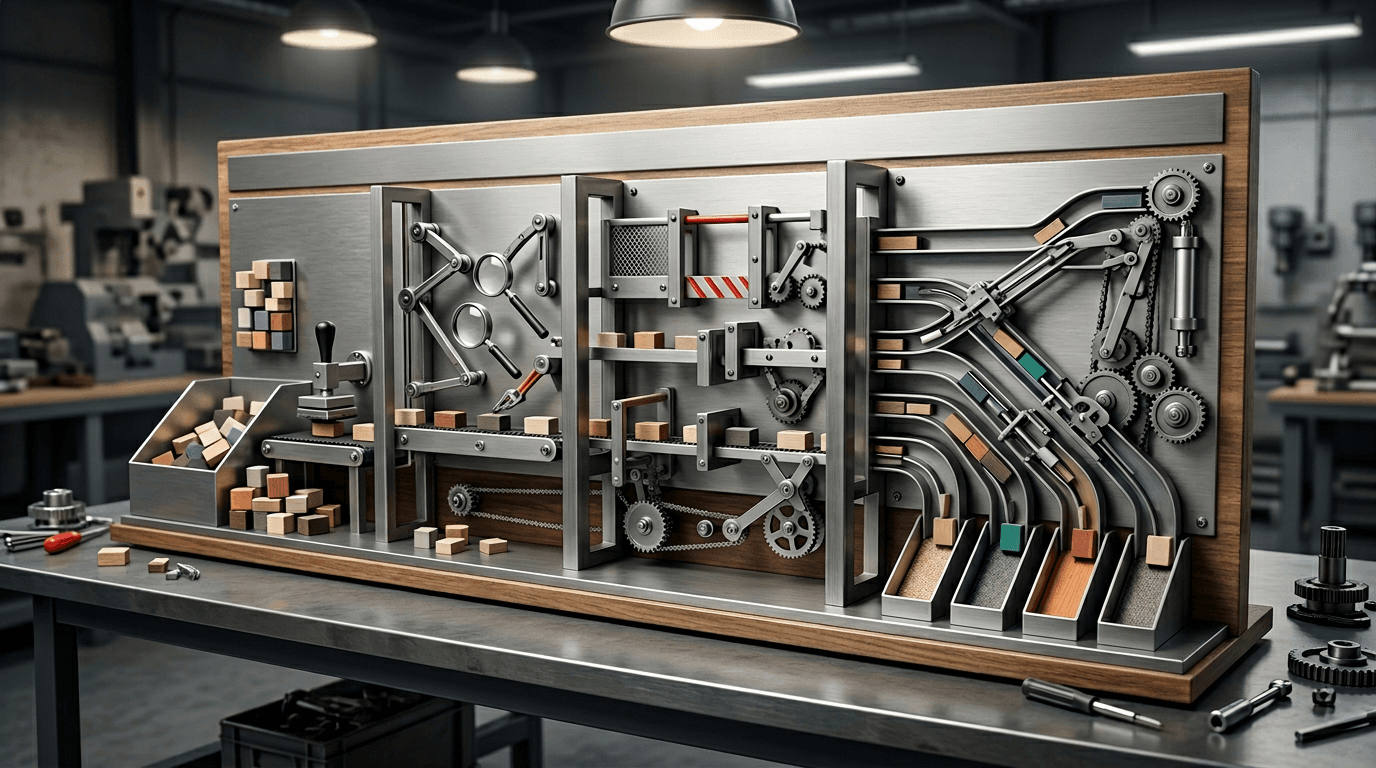
Physical automation moves material and transforms parts. Decision automation moves work items, priorities, and accountability signals. The risk profile shifts from mechanical safety to governance: threshold tables, audit trails, role ownership, and proof measured in response time and closure quality rather than in cycle repeatability alone. Leaders who treat the two as interchangeable misread what is changing.
Good automation candidates repeat weekly or daily, are bounded by clear fields, are reversible or containable quickly, and are already documented in workflow form—even if messy. Poor candidates are one-off capital judgments, customer concessions with legal exposure, and safety exceptions without a formal exception process. Maturity matters more than ambition.
Think in maturity levels without skipping steps: recorded decisions with inconsistent evidence; guided decisions with checklists but manual routing; assisted decisions with AI drafts and human confirmation; automated decisions inside explicit rules with human audit of exceptions. Many plants should live in assisted mode for a long time before claiming full automation. Skipping levels creates trust debt that shows up first on night shift.
Real decision automation publishes thresholds tied to roles, measures override and rejection rates, reviews false positives with named owners, and defines rollback when rules misfire. Theater shows demos without production records, claims “the model decided” without field citations, and leaves nobody responsible for updating rules after a line change.
IRIS treats decisions as part of execution because automation only becomes real when a ranked next step lands with an owner, timer, and audit trail inside the workflow—keeping automation accountable to operations instead of to slide bullets.
For mode logic behind automation, see When AI Should Watch, Advise, or Act in the Factory. For approval boundaries, see What a Human Approval Policy Should Look Like in Factory AI.
Executives should also recognize the cultural shift decision automation implies. When routing becomes more explicit, informal shortcuts become harder—and some experienced people will experience that as loss of autonomy. The counterweight is clarity: published rules, visible exceptions, and a fair process for changing thresholds when reality changes. Automation without governance feels like rigidity. Automation with governance feels like relief from endless negotiation.
Operationally, decision automation is where “digital transformation” stops being a slogan and becomes a measurable rhythm: fewer ambiguous queues, faster first assignment, fewer repeated escalations, and cleaner audits because the decision record is not reconstructed after the fact. That is the rise worth pursuing—not automation for its own sake, but coordination that survives shift change.
Decision automation is coordination automation. Do it with thresholds, approvals, and audit trails—or do not call it operations.
The operational bottom line
The promise of this article—a sober definition of decision automation, what should remain human, and how to spot theater versus operational change—becomes operational only when it changes how work moves: clearer ownership, faster first assignment, and closure you can trace without inbox archaeology. For “The Rise of Decision Automation in Manufacturing,” treat that as the acceptance test: the next shift should be able to read what happened, what was approved, and what remains open—without relying on verbal reconstruction.
Hold teams to a simple rule: if an improvement cannot be shown in exports from the execution record, it is not yet an operating improvement—only a narrative improvement. That rule keeps programs honest when demos look good but handovers still feel fragile.
DBR77 IRIS keeps decision outputs inside tasks, approvals, and audit trails so automation stays accountable to operations leadership. Watch walkthrough or Start interactive demo.